The Liverpool Biennial is one of the most paramount, contemporary art festivals in the UK, attracting artists and visitors from all over. At the helm of this major cultural event is Sam Lackey, the Director/CEO of Liverpool Biennial. We spoke to Sam who shared what it’s like at Liverpool Biennial during the lead-up to the festival, the impact it has on the local community, and what the future holds for this iconic event.
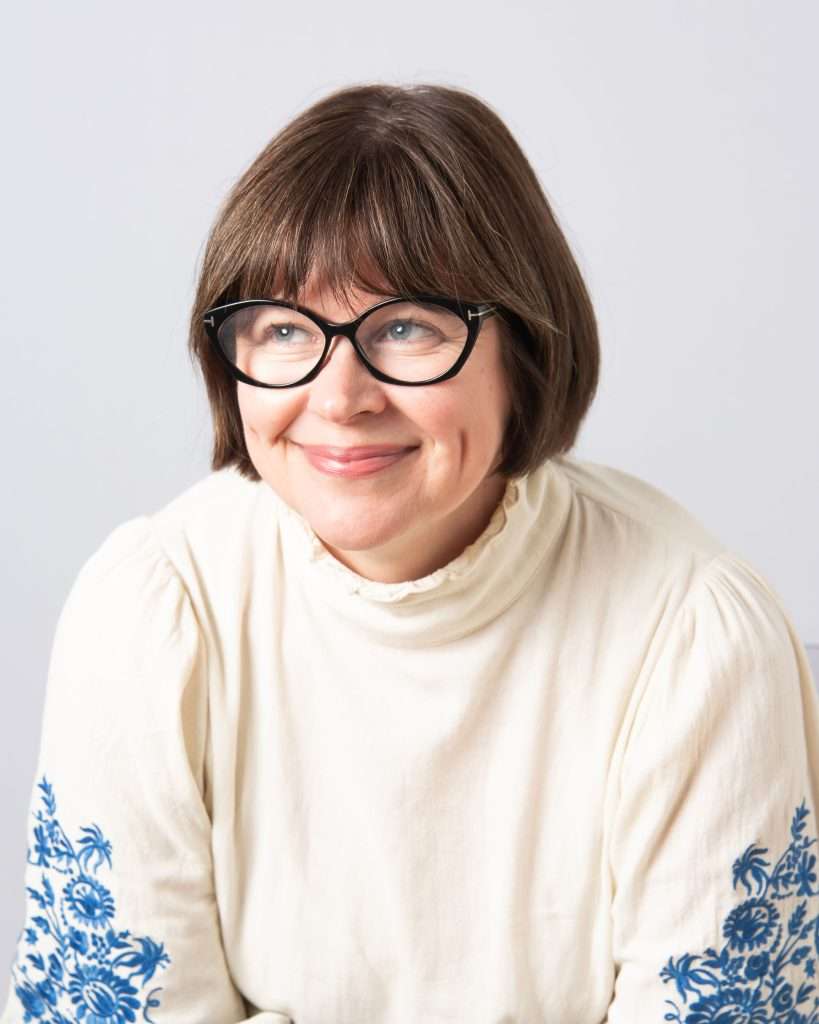
Meet Sam Lackey
Can you introduce yourself and your role at Liverpool Biennial?
Sam Lackey is Director/CEO of Liverpool Biennial. Marie-Anne McQuay is the curator of Liverpool Biennial 2025.
What does a typical day look like for you during the lead-up to the Biennial?
Well, it starts early! Because we work with artists from around the world our days are long. As Director, I might be meeting with funding partners, running down to a foundry to check on the process of an artwork, proof-reading our catalogue or presenting on the forthcoming Biennial to partners and press!
How did you get involved in the arts and cultural sector?
I first visited an art gallery with school when I was 14. I loved the idea that when I looked at a painting, I could see the world as someone else saw the world – maybe hundreds of years ago. Back then I didn’t know about what kind of job I could get to do with that, but I did know that I wanted art to be part of my life!
What’s the most rewarding part of your job – and the most challenging
The most rewarding part is making something big happen as part of a huge group of people – our curator, our artists, our partners – from Baltic to Tate Liverpool, our community partners, our team at the Biennial and most importantly connecting that to our audiences!
How Liverpool Biennial is Shaped by the City
How does Liverpool’s cultural landscape shape the Biennial?
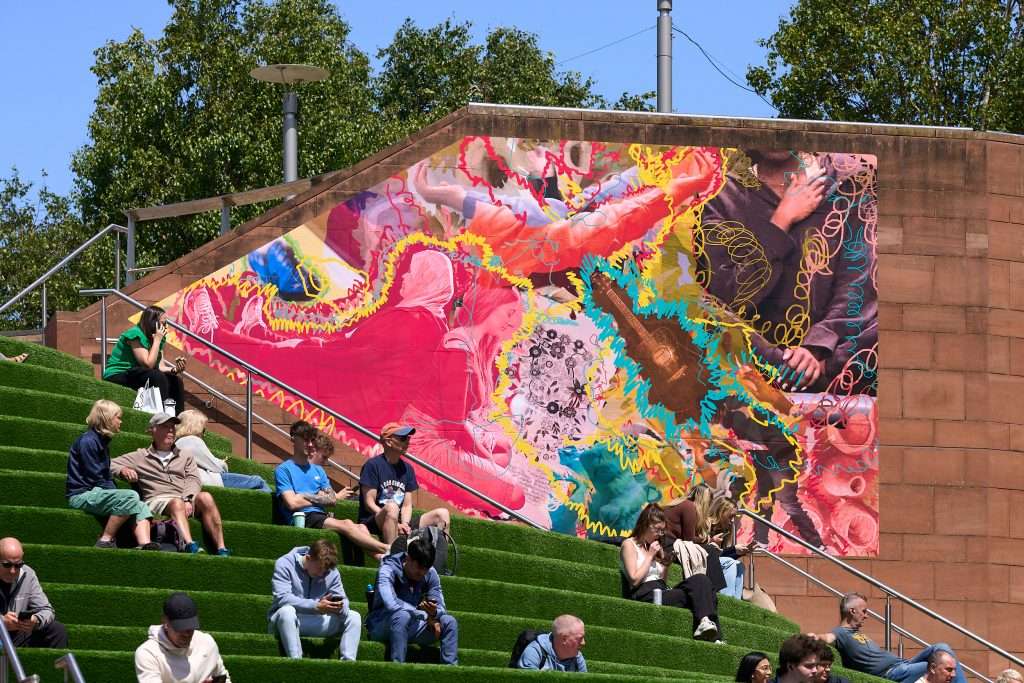
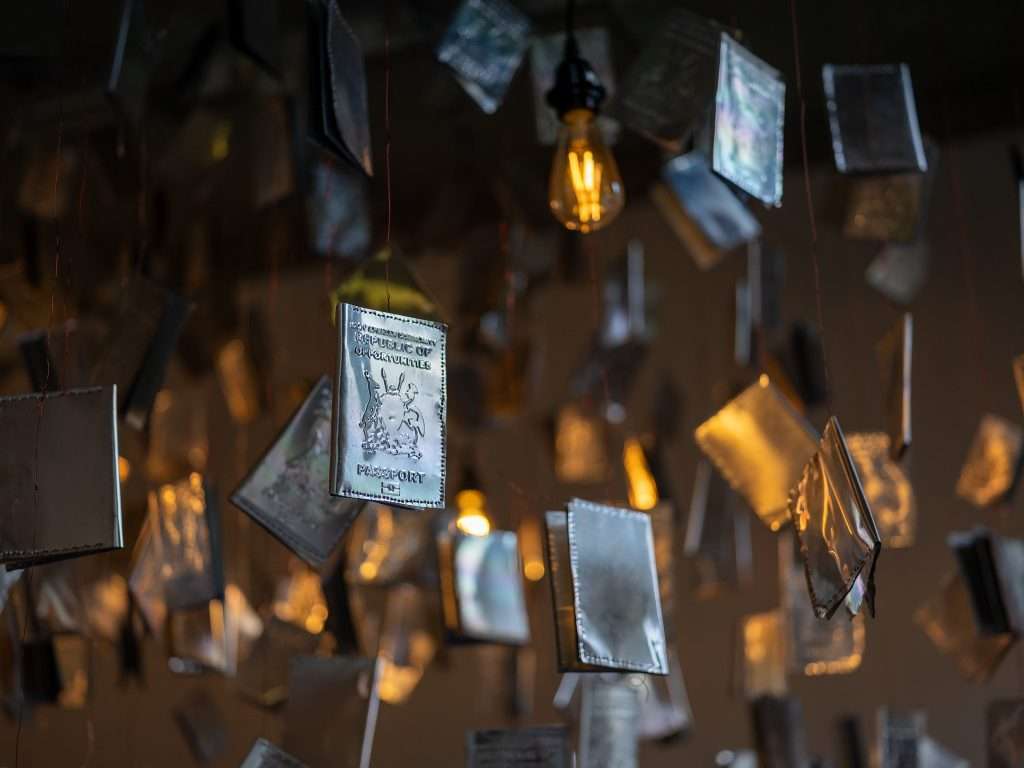
The Biennial is completely shaped by the city and region we work within. Not only do our curators undertake research into our communities, histories and art here in the city, we are also – as an organisation without a building of our own – dependent upon all our partners across the city to make the festival happen!
In what ways do you hope this year’s Biennial will impact the local community or creative scene long-term?
My hope for this biennial is the same as all biennials, that bringing the best international and UK based artists to this city and connecting them here will contribute to making Liverpool a brilliant place to live, work, study and make art!
How do you ensure accessibility and inclusivity in the festival’s programming?
We work hard with partners DaDa – a local disability arts festival that has been running for longer than the Biennial, and supported by Paul Hamlyn Foundation we commission artists who identify as D/deaf, disabled and neurodivergent, and work to make our events and exhibitions as accessible as possible, with guides on moving around the city and venues on our website.
Looking ahead
What do you hope visitors take away from the Biennial experience?
I hope they get to see our city through fresh eyes, and learn both about Liverpool and how other people from around the world connect with the city.
What’s next for Liverpool Biennial after this year’s edition?
Don’t tell the team, but I’m already working on the next edition in 2027 which will focus on the experiences of children and young people.
Any advice for someone looking to work behind the scenes in major art festivals?
Go and see as many art festivals as possible – of all sizes!
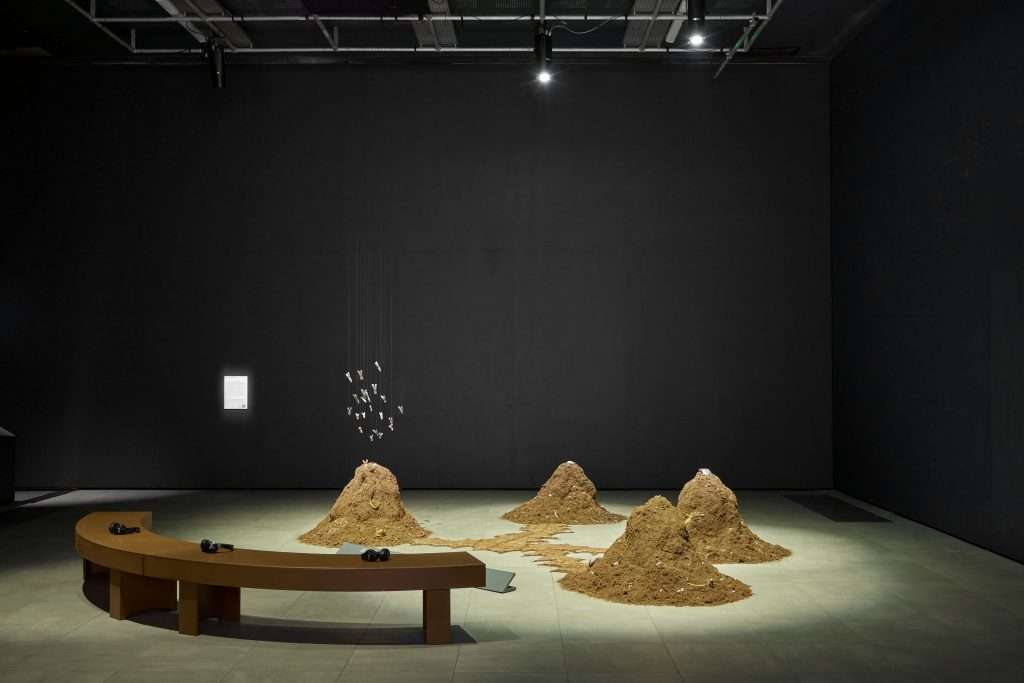
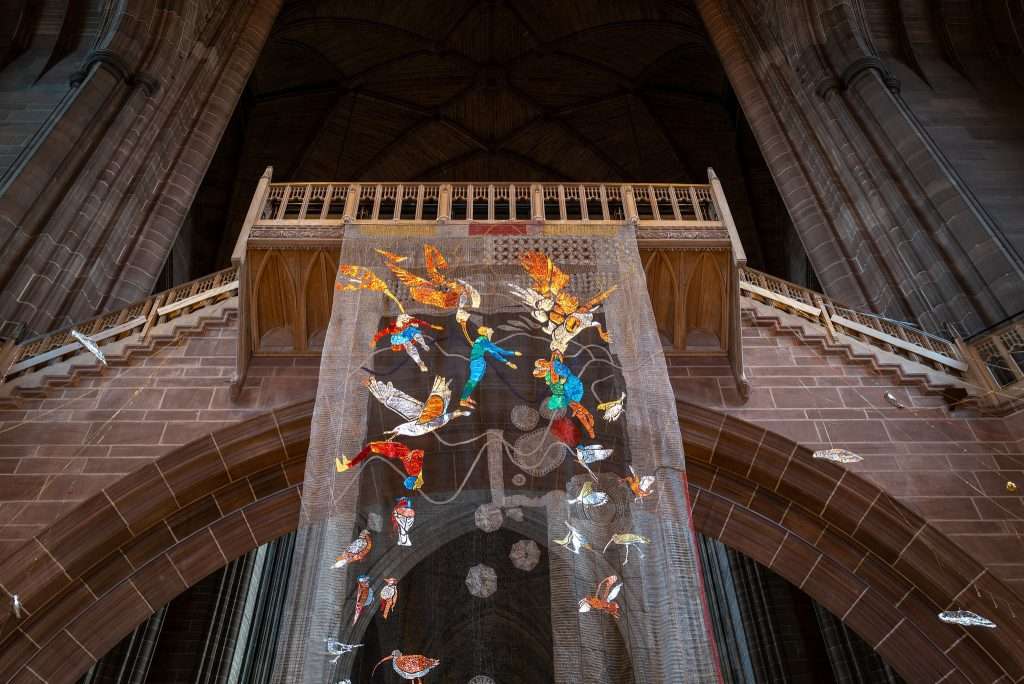
The Liverpool Biennial is much more than just an exhibition of art; it’s a celebration of community, collaboration, and creative expression. With its strong ties to the local landscape and commitment to inclusivity, the Biennial continues to play a vital role in shaping Liverpool’s cultural scene.
‘BEDROCK’, the 13th edition of Liverpool Biennial takes places until 14th September 2025. To see the full list of artists and exhibits, please read more here.