There’s a lot to be positive about when we look at the UK’s creative industries.
In 2024, the sector generated an estimated £145.8 billion in GVA and grew by 4.6% – more than four times the growth of the wider UK economy, with the latest Creative UK statistics showing continued strength across the sector.
But behind those headline figures is a more complicated picture. Growth isn’t being experienced equally across the sector or across the country. Businesses continue to face barriers around finance, workspace, skills, business rates and access to investment, while economic value remains heavily concentrated in London and the South East.
A new report from Prosper UK, Unlocking Growth, Innovation and Investment in the UK’s Creative Industries, brings many of these challenges into focus. Its central question is an important one: if the creative industries are such a significant part of our future economy, what do we need to do differently to help them grow?
At Baltic Creative, it’s a question we’ve been thinking about for more than 15 years. And from our experience, the answer is clear.
Growth needs the right conditions
Creative businesses don’t grow in isolation.
They need affordable and appropriate places to work, access to finance and business support, opportunities to collaborate, skilled people coming through and the confidence to invest.
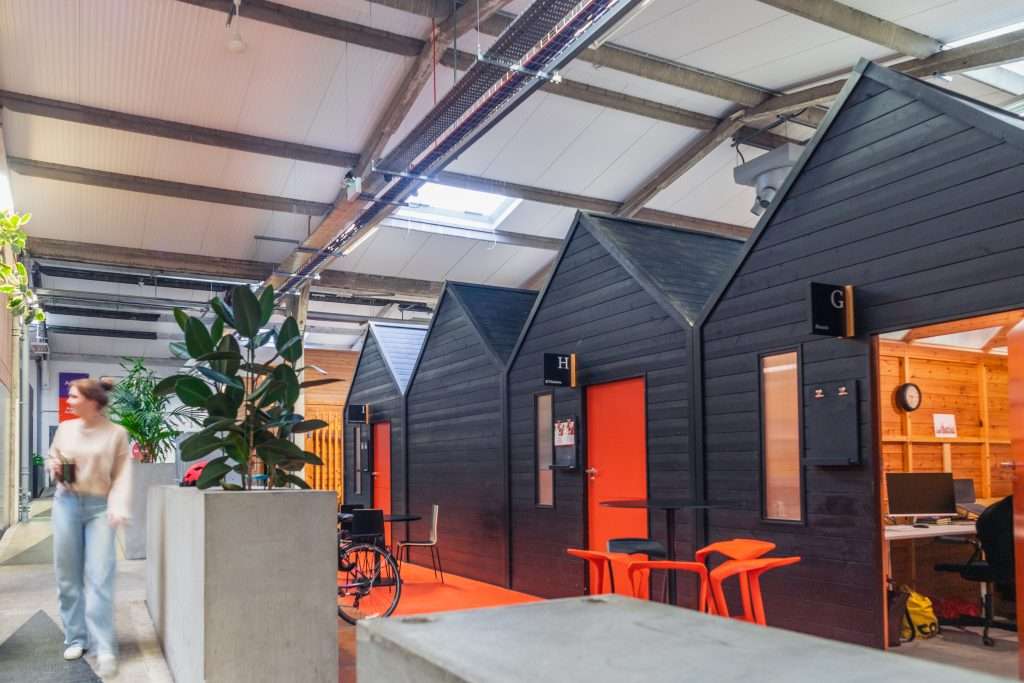
A workspace can be much more than four walls and a desk. The right creative workspace creates community, encourages collaboration and contributes to the identity and development of a whole neighbourhood.
That’s why protecting and developing creative places should be seen as part of economic strategy – not simply property policy.
We also need to look beyond conventional measures of growth. A creative business might employ a small team but create opportunities for hundreds of people, bring footfall into a neighbourhood, trade internationally, develop emerging talent or contribute to its local community.
Creative UK’s Culture as Growth Infrastructure report makes a similar case, arguing that the value of culture extends beyond traditional economic measures, contributing to sustainable growth, healthy communities and wider social value.
Those things create real economic and social value, even when they aren’t captured by traditional measures of growth.
Building a genuinely regional creative economy
The Prosper UK report makes a strong case for greater regional investment and decision-making. This is echoed by Creative UK’s Unleashing Creativity: Fixing the Finance Gap in the Creative Industries, which found that while creative organisations across the UK want to grow, many face significant barriers in accessing the right kind of finance to support that growth.
That’s particularly relevant as the Creative Places Growth Fund begins to support six Mayoral Strategic Authorities, including the Liverpool City Region.
Local leaders understand their economies, communities and assets. They can identify where relatively small interventions could unlock much greater growth and be a catalyst for change.
For the Liverpool City Region, that means investing across the creative ecosystem – from the freelancer needing somewhere affordable to start, to the growing business ready to take on employees, and the creative enterprise developing an idea before it is ready for commercial investment.
That pipeline is where long-term growth comes from.
Investing in people and ideas
We also need to invest in the people who will shape the future of the sector.
The Prosper UK report highlights concerns around the creative talent pipeline, including declining participation in creative subjects within education and the loss of some entry-level roles as AI changes how businesses operate.
Creative UK’s Perceptions and Potential research also highlights a wider challenge: where people live and how much they earn can influence how they perceive creativity and its economic value. Meanwhile, Forging Freelance Futures demonstrates the scale and importance of the freelance workforce, while highlighting the particular structural challenges faced by freelancers across the creative economy.
Those first opportunities matter. A junior designer, production assistant, technician, apprentice or intern isn’t simply filling an entry-level role – they’re gaining the experience, networks and confidence that can build a creative career.
This is why stronger links between education and industry are so important. At Baltic Creative, we work closely with education partners to help connect emerging talent with the creative businesses, opportunities and networks around them. Building those pathways is essential if we want the sector to have the skilled workforce it needs to grow.
We also need to protect the ideas that make the creative industries valuable. AI presents huge opportunities, but Creative UK’s research into AI and emerging technology adoption highlights that smaller organisations can face significant barriers to adoption, including limited organisational capacity and a lack of governance infrastructure.
Alongside helping businesses navigate these changes, questions around copyright and intellectual property need to be addressed so innovation doesn’t come at the expense of the people whose ideas power the sector.
The UK’s creative industries are already a global success story. The opportunity now is to make that success more inclusive, resilient and geographically diverse.
At Baltic Creative, we believe that means investing in the whole ecosystem: affordable workspace, early-stage support, finance, skills, education, collaboration, creative communities and the places where businesses grow.
The question is no longer whether the creative industries are a growth sector.
We know they are. The question is whether we’re ready to invest in the conditions that will allow that growth to reach its full potential.
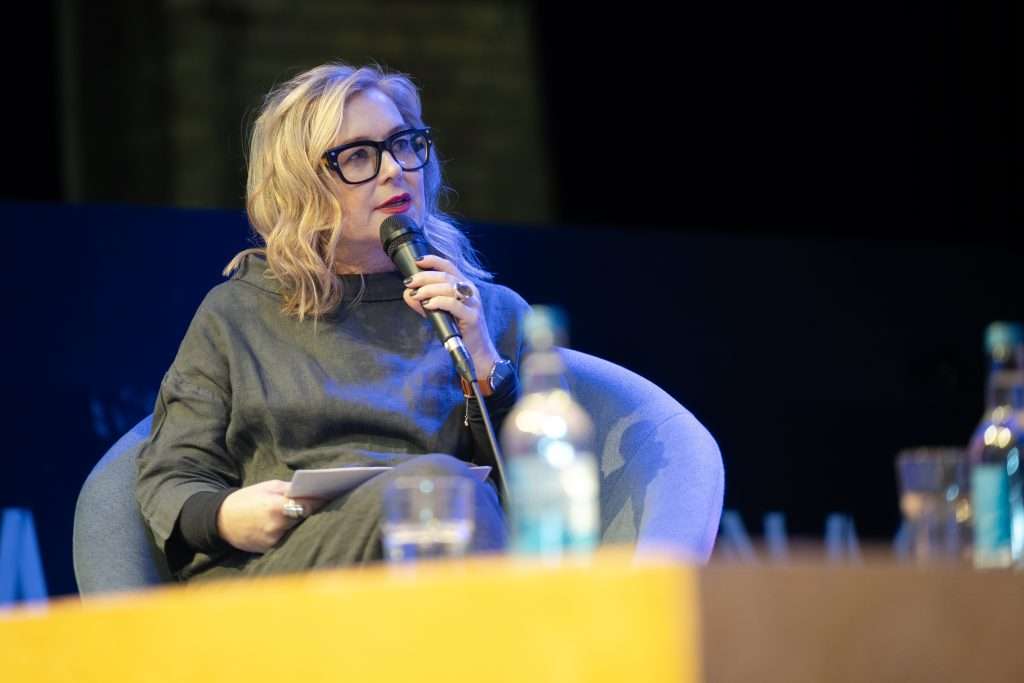
Lynn Haime, Chief Executive Officer, Baltic Creative CIC, said:
“The creative industries have repeatedly demonstrated that they can drive economic growth, create good jobs and transform places, but growth doesn’t happen by accident. It needs the right conditions around it.
“At Baltic Creative, we’ve seen first-hand how affordable, sector-specific workspace, strong communities, investment, skills, education and collaboration can help creative businesses thrive – and how their impact reaches far beyond their own financial success, helping to transform neighbourhoods.
“If, as these reports suggest, the UK looks to the creative industries as a key part of its future growth, we have a real opportunity to build a stronger, more genuinely regional creative economy. That means investing in places, supporting businesses at every stage of their journey, creating clear pathways into the sector and recognising the wider value that creativity creates.”
— Lynn Haime, Chief Executive Officer, Baltic Creative CIC