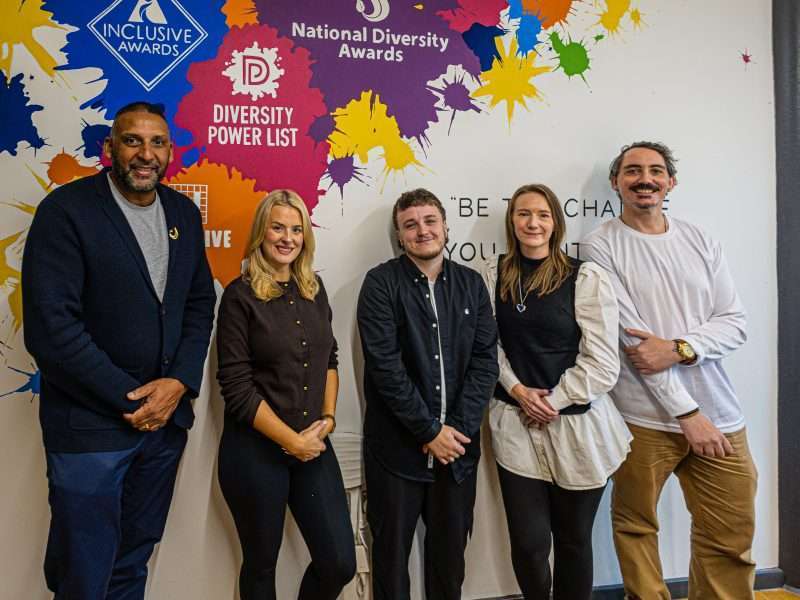
Unearthing BEDROCK: Foundations, Formations, and the Art of Curation
For Liverpool Biennial 2025, the city becomes both canvas and collaborator. At the heart of this transformation is guest curator Marie-Anne McQuay. Her creative direction and curatorial vision shape an edition rooted in the theme BEDROCK. From geological formations to cultural foundations, BEDROCK explores what grounds us – historically, personally, and collectively.
In this conversation, Marie-Anne shares her insights into shaping the Biennial’s direction, from artist selection to unexpected curatorial breakthroughs. We explored what it takes to bring a city-wide art festival to life. From big ideas to daily logistics – and all the unexpected moments in between.

Meet Maria-Anne McQuay
This year’s theme is BEDROCK, what does that mean to you personally?
The idea of BEDROCK came from the city itself, from walking potential routes which is the main way the Liverpool Biennial 2025 is encountered. I tried to see the city afresh and started to notice the red & yellow sandstone which is the city’s literal bedrock in architecture, tunnels, as raw outcrops and of course in the Old Dock. It also works as a metaphor for the city’s foundations, haunted by empire, and the city it is now. I extended this idea of foundations, values and the things that ground us to the artists, asking them to share their sense of bedrock with us, whether that was their family, chosen family, sense of place.
The theme means so much to me personally because I live here and want visitors to understand the city’s international relationships and sense of history but also the now. The grounding is important because even in fragmented times, its possible to stand together and share the same common ground.
How did the theme influence artist selection and the types of works commissioned?
I wanted the theme to mean something to artists personally so I was looking for and had conversations with artists who were exploring their own understanding of social and cultural heritage which intersected with the city’s history and who could bridge between the international and the local – one artist Amber Akaunu is from the city and intimately knows L8 which is such an important neighbourhood. I also wanted the theme to generate wow moments and ways to connect to sites and buildings that people from the city could see afresh so I was thinking about works that had scale and impact as well as surprises. Across all the works there’s a sense of grounding whether that’s geological, historic or personal. This is reflected in the podcast and free events programme too.
Can you share a moment where the curatorial vision came to life in an unexpected way?
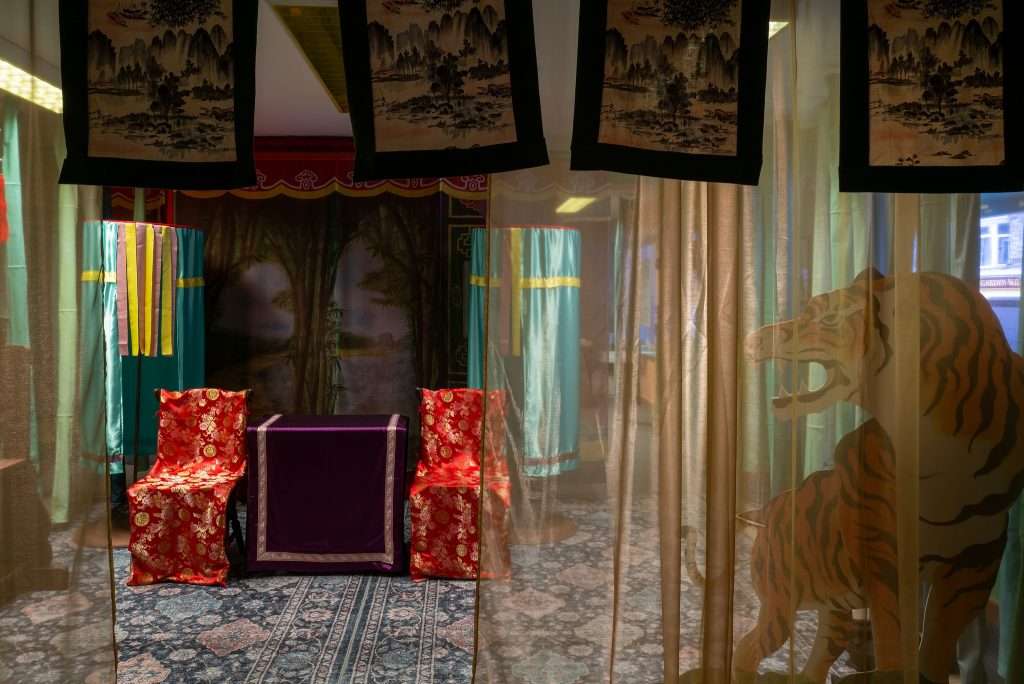
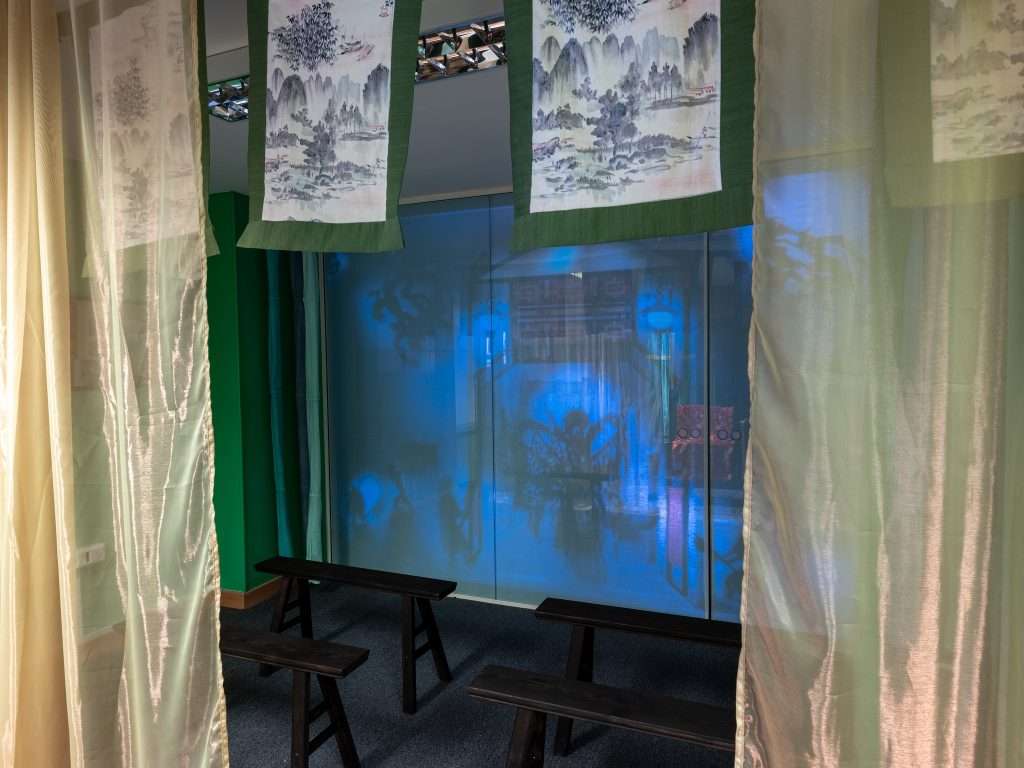
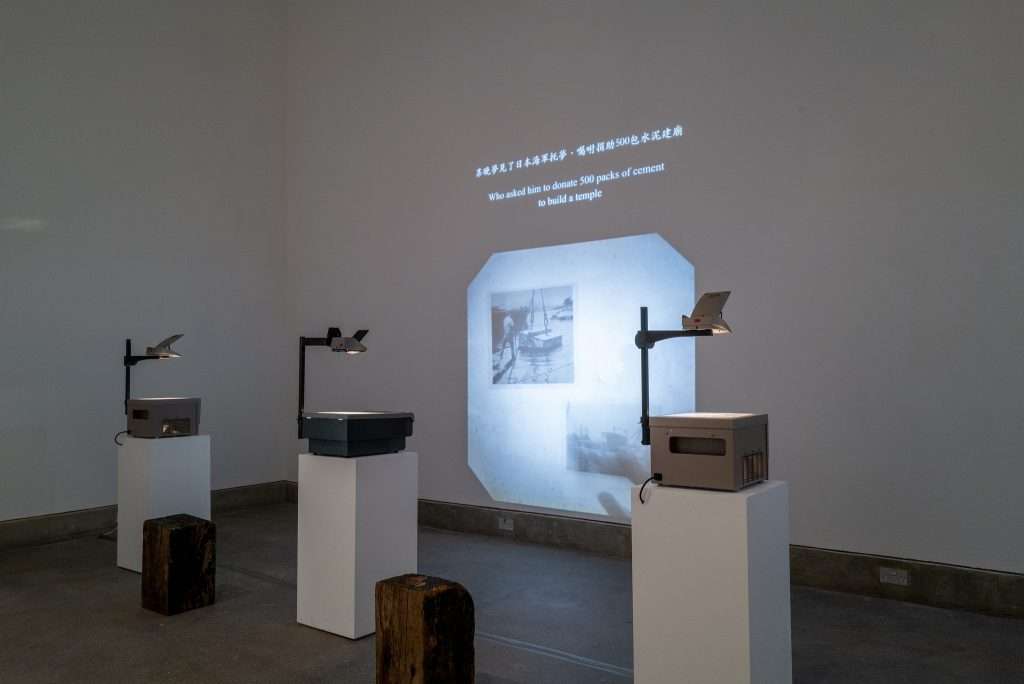
There are so many – everyone plans and anticipates as much as possible, but sometimes unexpected – and almost always positive – moments happen. One particularly wonderful moment was when the team received blessing and permission to install Karen Tam’s work, a Chinese Opera set come to life, in Pine Court, a former social housing office in Chinatown. They truly embedded her work in the neighbourhood by building local connections. The installation not only created a powerful audience experience but also laid the foundation for new friendships.
What’s something people might not realise goes into producing Liverpool Biennial?
I think people might not realise that relationships with the city continue outside of the Biennial and so much thought is given to aspects like learning, family engagement, marketing so it lands here but also brings people in from elsewhere. Fabrication also is often complex but we want the end result to feel effortless too.
How far in advance do preparations begin?
The Biennial runs all year round, on the ‘on’ and ‘off’ years with a Guest Curator (my role) joining ahead of their cycle. I joined February 2024 and announced artists November 2024 with installation starting April 2025 so it’s very intense but so well supported by the team. And so much helpful planning (funding, potential partners, sites, contexts) are planned ahead of time too.
What kind of collaboration goes on behind the scenes, between artists, venues, fabricators, or the city?
As the artists develop their ideas we’re sharing their plans with venues, partners, makers, technicans and also sometimes communities. ChihChung Chang for instance came over to meet with Pagoda Arts to work with a group from the Chinese, HK and E&SE Asian community who then created patterns for an arch but also shared their stories of home and belonging. Sometimes collaboration is very practical and focused on making – for instance the Biennial works with local foundry Castle Fine Arts – but also it’s an exchange with the city and its residents.
Have there been any particularly complex installations this year? What did it take to make them happen?
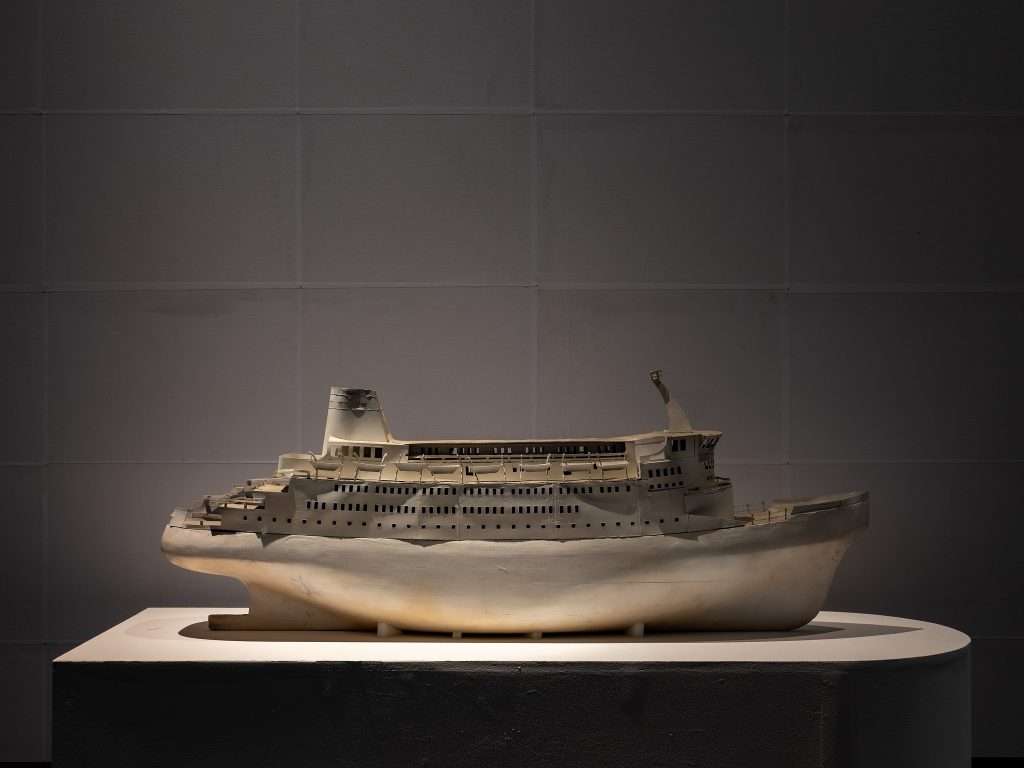
Many! But it’s what a Biennial is for – making ambitious art works and experiences happen. Installing Kara Chin‘s decorative ceramic tiles in the pavement in Berry Street took a lot of thought and planning so they look like they might have always been there. For Odur Ronald at the Bluecoat we hung 100 metal handstitched and stamped passports so that took time and plannng.
In the Baltic Creative area Cevdet Erek has a sculpture of a football stadium with around 1500 clay bricks weighing 30 tonnes. These are unfired clay so can be used for eco building afterwards. At a different scale in the same venue Imayna Caceres has hung 100 tiny ceramics in the form of a shrine which also took time and planning. It takes skill, good will and faith to make it all happen. Team work between the artist, the team, sites and partners is really important.
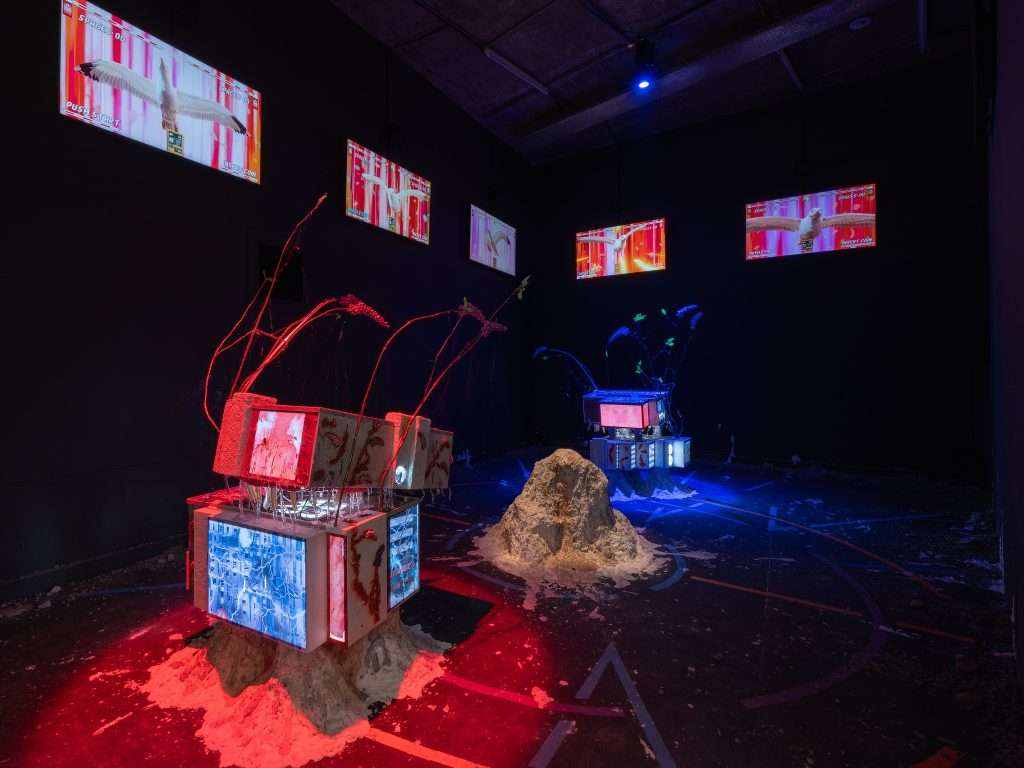
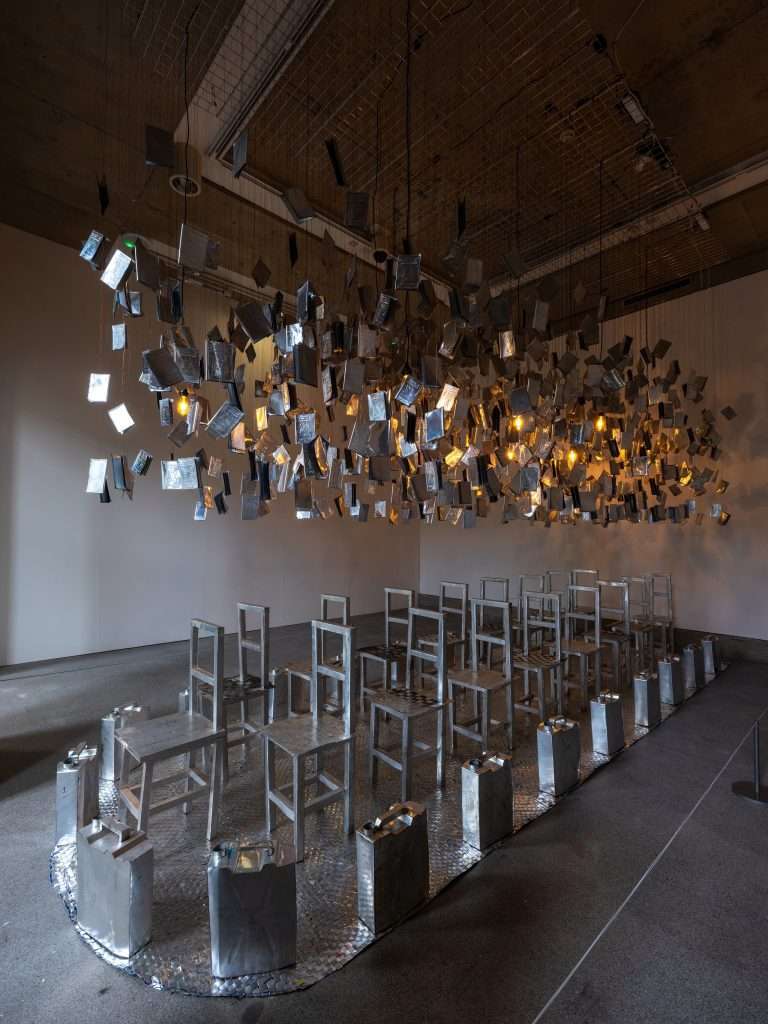
Through Liverpool Biennial, the city of Liverpool readies itself to reveal layers. Seen and unseen – through art that reflects its past, present, and possible futures. Marie-Anne McQuay’s vision for BEDROCK goes beyond what lies beneath our feet. It’s about shared stories and deep connections. It’s about the collaborative effort needed to build something meaningful across streets, communities, and cultures.
‘BEDROCK’, the 13th edition of Liverpool Biennial takes places until 14th September 2025. To see the full list of artists and exhibits, please read more here.
All exhibitions photography by Mark McNulty.