Liverpool is home to one of Europe’s largest celebrations of Indian classical arts. INDIKA is a biennial festival that fills the city with music, dance, film, and creative experiences. Curated and produced by Milap right here in the Baltic Triangle, the festival showcases world-class talent. It invites audiences to discover the beauty and diversity of Indian culture.
As Milap celebrates 40 years, INDIKA 2025 promises to be a landmark festival. We spoke with Alok Nayak, Milap’s CEO and Artistic Director, about this year’s themes, highlights, and what it takes to bring INDIKA to life. Read on to find out what to expect when INDIKA returns on 17 October 2025.
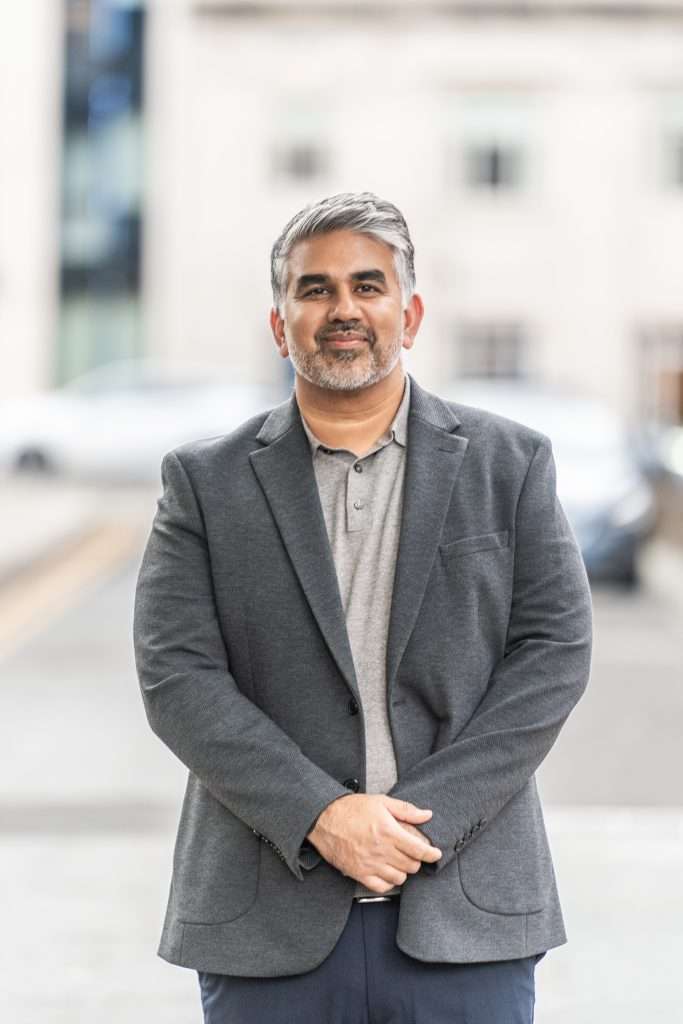
2025 marks Milap’s 40th anniversary. What does this milestone mean for you and how has it fed into INDIKA 2025?
AN: Milap began as a weekend festival created to give people of Indian origin the chance to celebrate their culture. It also gave them a way to share it with the people of Liverpool. It’s hugely significant that the organisation could thrive and grow from those beginnings. Today, it’s an international arts and culture company that still calls Liverpool home. That growth reflects the warmth and creativity of this city. It shows that Liverpool is a place where people from anywhere in the world can belong.
Is there an artistic theme or thread running through this year’s programme that ties it all together?
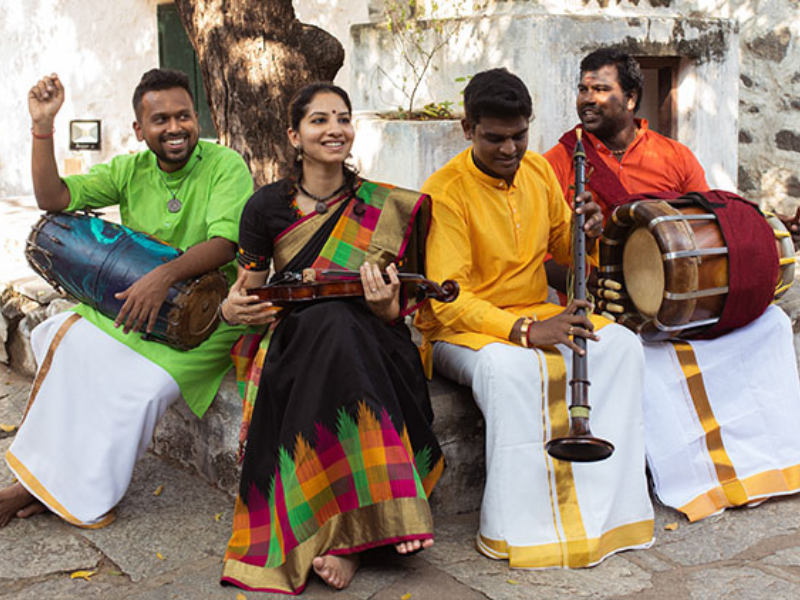
Every Indika festival is designed to fill people with positive energy. The performances aim to inspire, broaden your knowledge, and lift your spirits. This year’s music programme focuses on ensembles and collaboration. It shows how Indian music continues to evolve by embracing new ideas, instruments, and styles.
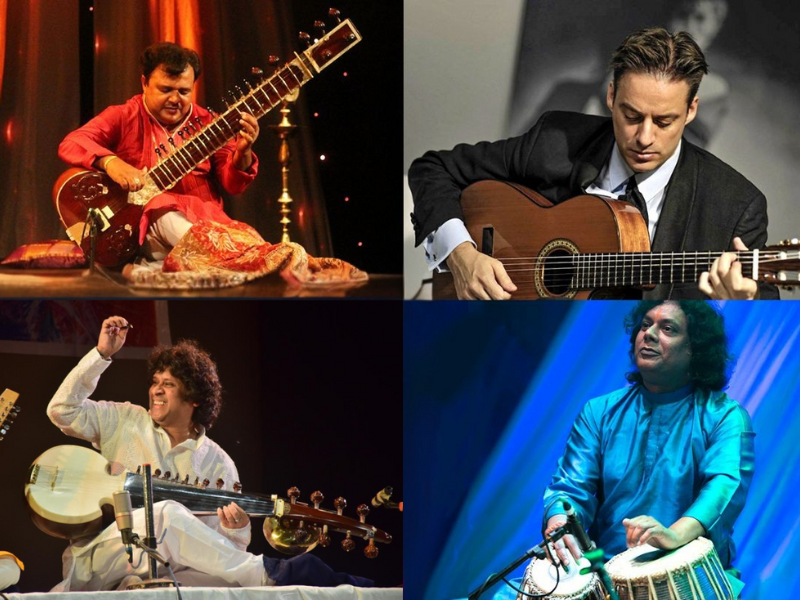
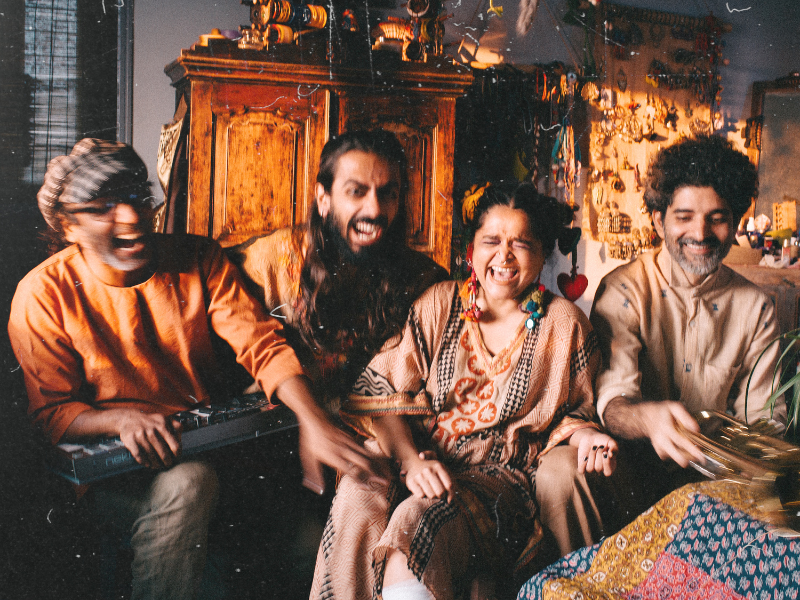
Our opening concert is a jugalbandhi (duet) between North and South Indian musical traditions. It brings together the bamboo flute and the sarod. Later in the festival, The Tapi Project fuse funk, folk, and tribal elements with incredible vocals. The Stringmasters blend the ancient veena with the piano in a way that’s never been heard before. In Resonance – Strings Across Borders, audiences can hear sarod, sitar, and guitar, all underpinned by tabla. The result is a powerful mix of composed and improvised works.
Alongside these are spiritual and expressive dance performances, family and children’s shows, and interactive experiences you can join in yourself. Everything is guided by our core belief: Uniting Hearts Through Arts.
Which events are you personally most excited about?
It’s always hard to pick favourites, but I’m especially looking forward to our two incredible dance artists at Unity Theatre (a venue that’s been part of Milap’s story for much of our 40 years) and to our concerts at The Tung Auditorium – our most recent venue partner, which showcases some of the best artists of today. On 25th October, Jayanthi Kumaresh and Anil Srinivasan will bring the veena and piano together in a truly rare collaboration. On 31st October, Ranajit Sengupta and Kousic Sen will close the festival with music that bridges tradition and innovation.
For audiences who may be new to Indian arts, is there a performance this year you’d recommend as the perfect introduction?
All Milap events are designed to be open and welcoming. You don’t need to understand Indian arts to enjoy them. The performances are full of improvisation, storytelling, rhythm, and interaction between artists and audiences.
With more than ten different music and dance traditions featured, no two events are the same. For families, our half-term performances at the Music Room and Unity Theatre are ideal introductions. For those who love discovering new sounds, the concerts at The Tung Auditorium show how Indian music now embraces piano and guitar. And of course, you can also celebrate with our partners Bundobust on Bold Street – the perfect spot to pair Indian arts with Indian food!
When it comes to selecting artists, how do you balance international and UK-based talent? Are there new talents we should look out for this year?
We always aim to bring leading artists from India who audiences in the UK rarely get to see, while supporting UK-based talent year-round through our other programmes.
This year’s Indika includes outstanding UK-based performers such as Debasmita Bhattacharya (sarod), J.A. Jayanth (flute), and Rohan Roy (violin). These are all established artists who are less familiar to audiences in the North West.
We’re also proud to welcome back two exceptional dancers, Sanjukta Sinha (Kathak) and Apoorva Jeyaraman (Bharatanatyam), who first came to Milap years ago as students and are now among the leading performers in their fields worldwide. Their work gives ancient traditions a fresh, contemporary edge that anyone can connect with.
Beyond Indika, our core development programmes SAMYO (the National South Asian Youth Orchestra), TARANG (our Indian music collective), and the Music India and Dance India residencies of more than 20 years, continue to nurture the next generation of artists.

The festival goes beyond performance with workshops, yoga, poetry, and storytelling. How important are these participatory elements in creating the full INDIKA experience?
They’re essential. We want people to experience Indian arts in many ways, not only in concert halls. Indika creates opportunities for people to take part as well as watch, whether that’s through yoga, family storytelling, or creative workshops.
We know that some audiences are not regular concertgoers, so we take the festival into spaces that feel familiar and welcoming including places like The Reader at Calderstones, the Everyman, and Williamson Gallery. We also make sure there are accessible ticket prices to encourage everyone to get involved.
Liverpool and the wider Merseyside culture scene play a big role in INDIKA. How do the city and its venues shape the way you curate the festival?
In many cities, a festival like Indika would be aimed mainly at South Asian audiences. In Liverpool, our South Asian community is relatively small but our cultural sector is incredibly open, creative, and collaborative. That makes our approach unique: Indika is for everyone.
Liverpool’s venues and partners, from the Philharmonic and Tung to Unity, Future Yard, and Bundobust, share our belief in inclusion and exchange. The city’s creative energy and close-knit cultural scene mean that Indian arts feel right at home here.
Looking ahead, how do you see Milap and INDIKA evolving over the next 5–10 years?
This is only the second time Indika has taken place in its new two-week, multi-venue format. Over time, we want it to grow into a city-wide celebration – a true “takeover” with performances in public spaces, outdoor stages, and greater international reach.
It’s the only festival of its kind anywhere, and we’d love that to be more widely known. Ultimately, everything we do at Milap is about creating positive change, bringing people together, breaking down barriers, and promoting social harmony through the arts.
On a personal note, what’s been your most memorable INDIKA moment so far and what would you love to look back on after this year’s festival?
The opening of Indika 2023 at the Music Room was unforgettable! Hearing the first notes of live music again after 2020 reminded me why we do what we do. This year, I hope we’ll look back and see new audiences discovering Indian arts for the first time with people walking away inspired, surprised, and wanting more.
Huge thanks to Alok Nayak for sharing his insights! INDIKA 2025 runs from 17th to 31st October across Liverpool and the wider City Region. Tickets are available now via TicketQuarter and through Milap’s website.
Milap are a Baltic Creative tenant, based on Jordan Street. You can follow updates, announcements and behind-the-scenes glimpses of their work by following @milapfest and #indika2025. We’re excited to see how audiences connect with this year’s festival – see you there!